When banknotes change
A checklist for checking existing cash-handling equipment when a banknote design or series changes.

Keep a record of your equipment
When an issuer announces a banknote change, begin with the equipment you already operate. Record the exact model, serial number, installed software version where available, and the tasks each machine performs. Keep the issuer’s announcement with the record so the supplier knows which series you are asking about.
This article is a planning checklist, not an announcement of a new issue or a claim that a particular DOYO model has been approved for it. Check the issuing central bank for current designs and release dates.
Ask what has to change
The Bank of England’s polymer-transition guidance advises businesses to contact equipment manufacturers or suppliers about adaptations. It explains that many machines need software changes and some need hardware changes. The relevant answer depends on the equipment and banknotes involved; an update should not be assumed to exist for every model. [1]
Ask separately about transport, counting, denomination recognition and authenticity checks. A machine may need to handle a note physically as well as interpret it correctly. Record which denominations and series the proposed configuration covers, and request the applicable installation and operating instructions.
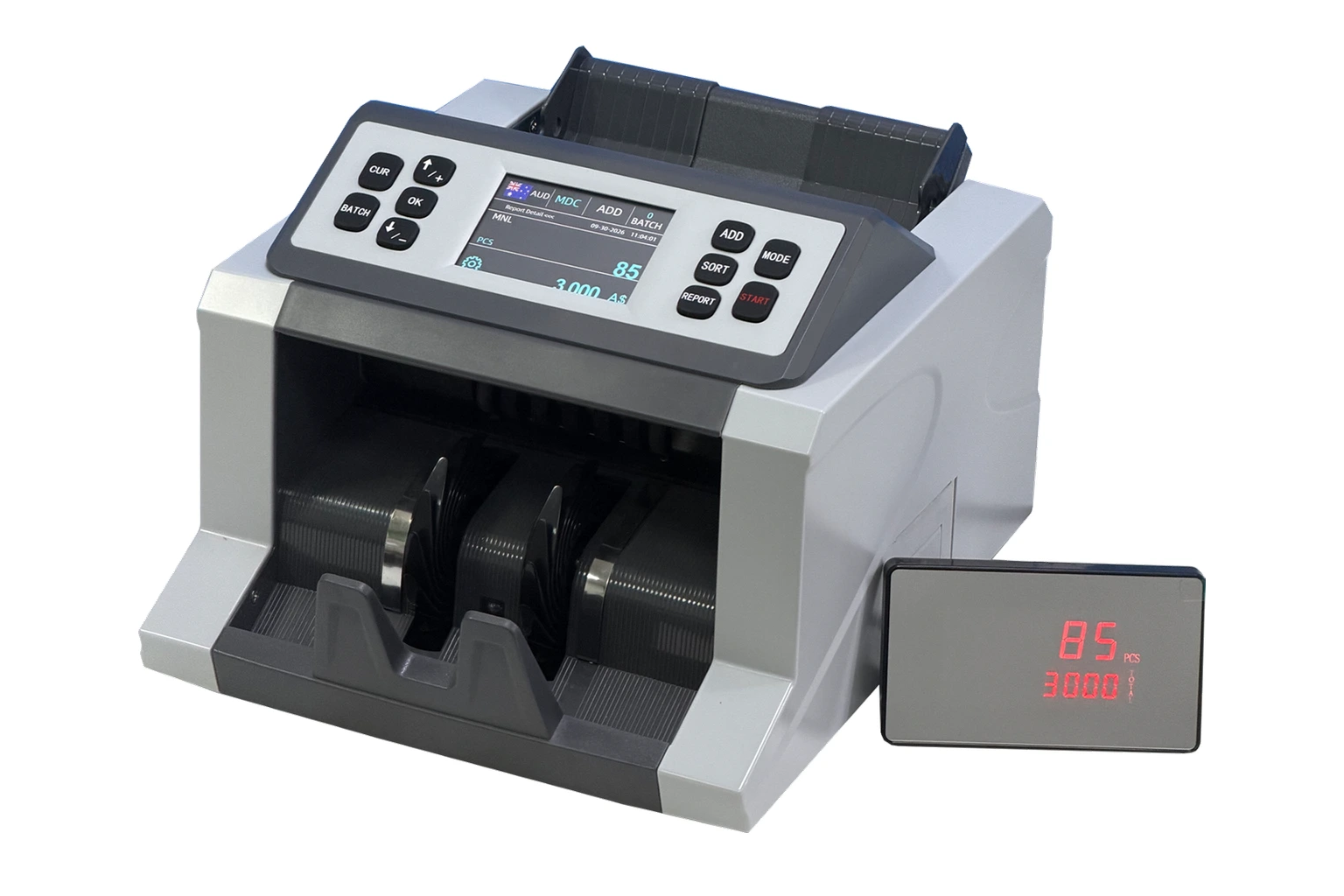
DY-980
For a new DY-980 enquiry, record the currency, banknote series and required value-counting task. Confirm the proposed configuration before ordering; an update for a new series must not be assumed.
Understand what testing establishes
During Australia’s Next Generation Banknote program, the Reserve Bank of Australia supplied test notes to equipment manufacturers before issuance. Its cash-handling industry resources describe testing for transport, authentication, counting and processing. This is an example of an organised compatibility process, not evidence that any DOYO model participated in it. [2]
For your own procurement, ask the supplier what evidence supports the proposed configuration and which task that evidence covers. Keep a counting demonstration distinct from an authentication assessment. A successful count of one sample batch does not establish performance across every note condition.
Plan the handover to staff
Once the configuration is confirmed, agree who will carry out any update and when the equipment can return to use. Retain the previous and new version details, the instructions supplied, and the outcome of the agreed operational check.
Make the confirmed scope available to operators, including what to do when a note is rejected. For a new equipment enquiry, include your destination, currency, denominations, banknote series and the required counting task. This gives DOYO a specific compatibility question to review.
External sources
Checked