Checking euro banknotes
A practical way to organise euro banknote checks, using the correct series and more than one security feature.

Start with the right reference
Before checking a note, identify its denomination and series. The European Central Bank provides separate security-feature references for the first series and the Europa series. Keep the matching reference available to the people who accept cash; a feature shown on one note is not a universal checklist for every denomination. [1]
For a business handling euros alongside other currencies, keep the inspection reference with the currency workflow. This helps a colleague check the right note without relying on a remembered image or an unrelated example. Use the issuer’s reference images for authentication training.
Feel, look and tilt
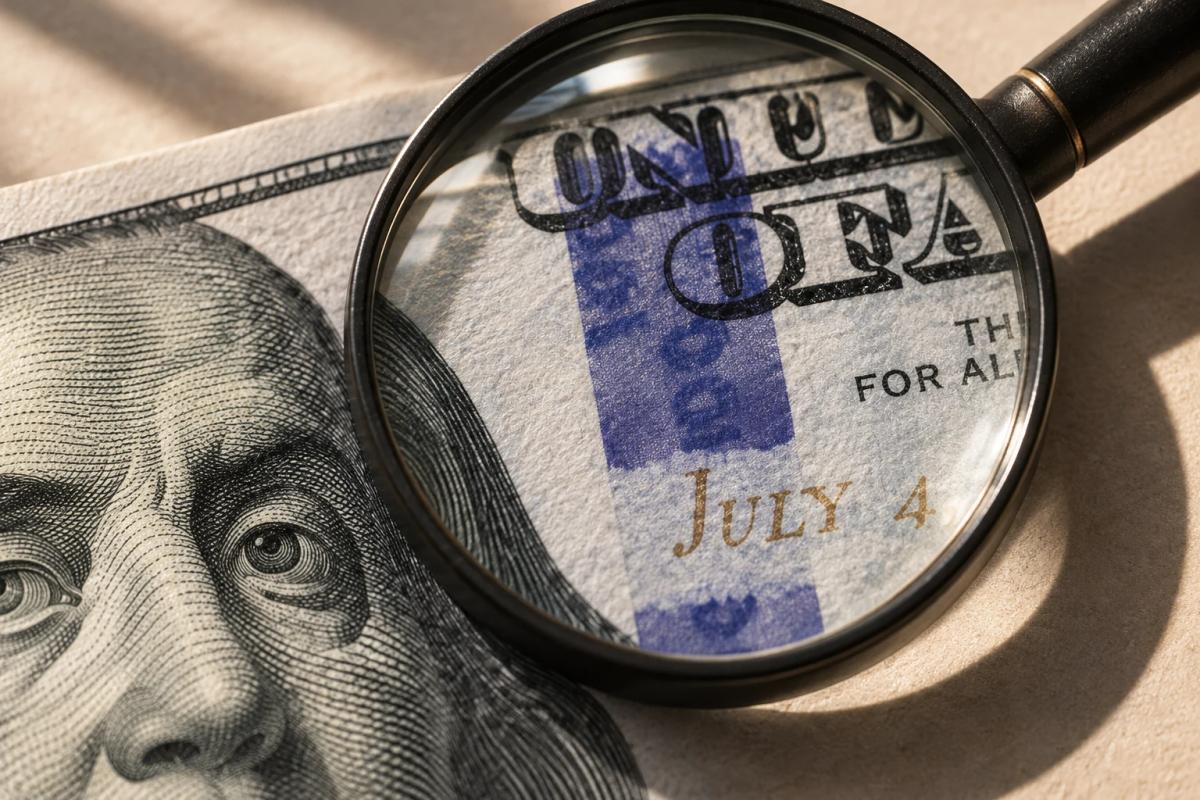
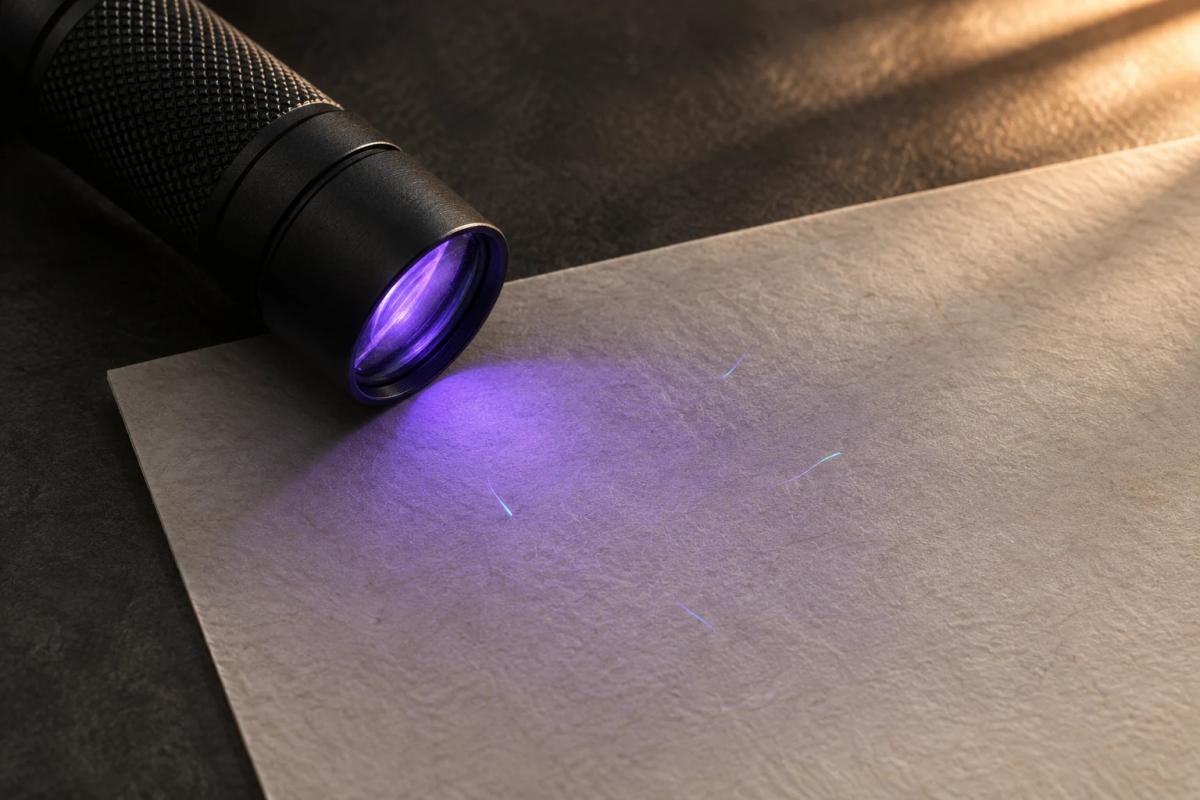
The ECB organises its manual check around feel, look and tilt. The Bundesbank also recommends checking several security features, because a counterfeit may imitate only one or a few. Work through the matching official reference rather than making a decision from a single visual detail. [2]
In a staff handover, ask the colleague to explain which series they are checking and which features they have examined. A short, repeatable process is more useful than a vague instruction to look for anything unusual. Keep this process separate from recording the value of the transaction.
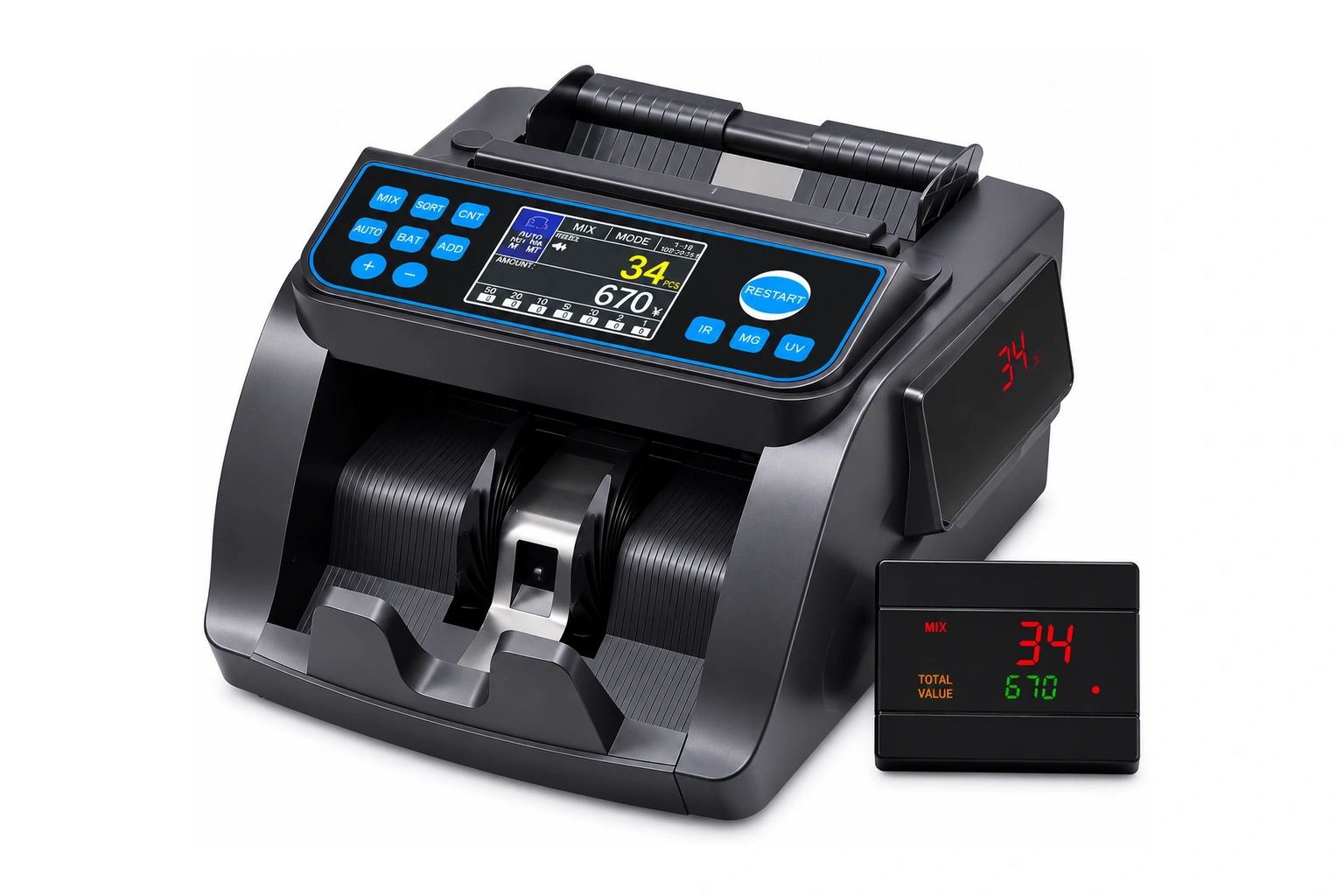
DY-6000E (EUR)
The DY-6000E (EUR) product information describes a euro banknote counter. Review the counting functions, then confirm the supported denominations, banknote series and detection configuration for the supplied unit.
Keep counting and inspection separate
A displayed piece count answers how many notes passed through a machine. It does not, by itself, explain which authenticity checks the equipment performed. Likewise, selecting a currency does not establish support for every banknote series.
When discussing equipment, state whether you need piece counting, mixed-denomination value counting or a particular detection workflow. Ask which checks are available in the proposed configuration and how the operator should respond to a rejected note.
Prepare a useful equipment enquiry
Include the euro denominations and series you handle, whether notes arrive mixed or pre-sorted, and your typical batch size. If you already have a counter, add its exact model and software version where available. This gives the supplier a concrete task to assess instead of a broad request for a machine that checks euros.
Keep the agreed configuration alongside the operating instructions so a later staff member can distinguish the machine’s confirmed capabilities from an assumption.
External sources
Checked